South Indian Sarees
South India's weaving traditions are some of the oldest in the country, and it shows in how these sarees are worn today. A silk Kanjeevaram still anchors most South Indian weddings the same way it did generations ago. An Ilkal saree still gets pulled out for a family function because it's comfortable enough to wear all day. Cotton sarees still hold their place in daily life because nothing else drapes quite as easily in the heat.
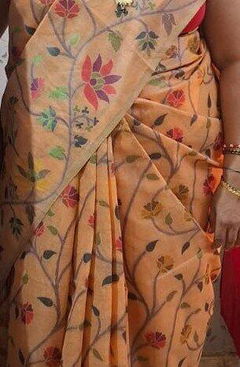
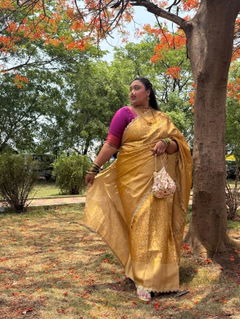
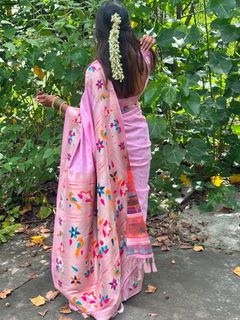
Moolchand Mill's South Indian saree collection brings these weaves together: the grandeur of Kanjeevaram and Kanchipuram silk, the everyday elegance of Ilkal sarees, and the comfort of cotton sarees, each one carrying its own regional craft and history.
The Weaving Traditions Behind These Sarees
South India's saree heritage spans several states and craft communities, each with its own techniques, motifs, and materials. Tamil Nadu gave the world the Kanjeevaram, arguably India's most recognised silk weave. Karnataka's Ilkal tradition, centered in the town of Ilkal in Bagalkot district, developed a completely different construction method, one where the body and pallu are woven separately and joined by hand. Cotton sarees, meanwhile, cut across regions and communities as the fabric everyone reaches for when comfort matters more than occasion.
What ties these together isn't uniformity, it's craftsmanship. Each weave solves for something different: silk for grandeur, Ilkal for versatility, cotton for everyday ease.
Kanjeevaram and Kanchipuram Silk Sarees
Here's something worth clearing up: Kanjeevaram and Kanchipuram aren't two different sarees. They're the same saree, known by two names. Kanchipuram is the temple town in Tamil Nadu where the weave originates, and Kanjeevaram (sometimes written Kanjivaram) is simply the more commonly spoken version of that name. Both refer to the same handwoven silk tradition, so you'll see them used interchangeably across sellers and shoppers alike.
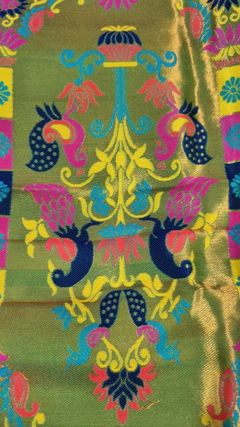
What makes this weave stand out is the material and the technique behind it. It's woven from pure mulberry silk, often finished with a korvai technique where the body and border are woven separately and interlocked, which is what gives genuine pieces their contrasting colour blocks and heavier weight. Motifs drawn from temple architecture, peacocks, and checks are common, and the zari work is traditionally silver dipped in gold. It's the saree most South Indian families still consider bridal-grade, the kind that gets worn once at a wedding and then kept for the next generation.
Ilkal Sarees
The Ilkal saree comes from Karnataka, not Tamil Nadu, and it's built differently from most other sarees on this list. Instead of weaving the body and pallu as one continuous piece of fabric, Ilkal weavers make them separately, cotton or silk for the body, silk for the pallu, and join them using a looping technique unique to this craft. The result is a saree that's noticeably lighter than silk-heavy weaves but still carries a bold, unmistakable identity, usually a deep red or maroon border against a contrasting body.
That combination of comfort and presence is exactly why the Ilkal has stayed relevant for both festive functions and regular wear, in a way that heavier silk sarees can't always manage.
Cotton Sarees
Cotton sarees don't try to compete with silk for grandeur, and that's the point. They're breathable, easy to manage through a long day, and comfortable enough for daily wear without losing the traditional drape people want. For office wear, warm-weather festivals, or religious functions where you'll be on your feet for hours, cotton is usually the more practical pick, without looking any less put-together than a heavier weave.
How to Choose the Right South Indian Saree
- Wedding, bridal trousseau, or an occasion that calls for silk: Kanjeevaram or Kanchipuram
- Festive event where you want comfort without giving up the traditional look: Ilkal
- Daily wear, office, or warm-weather festivals: cotton
- Religious ceremony or family function where you'll be standing for hours: cotton or a lighter Ilkal
How to Style South Indian Sarees
Kanjeevaram and Kanchipuram sarees pair naturally with temple jewellery, gold bangles, and fresh flowers in the hair, the same combination that's shown up at South Indian weddings for generations. For festive occasions, statement earrings do most of the work alongside the saree's existing zari and colour. If you'd rather go modern, a contemporary blouse cut and minimal jewellery let the weave itself stay the focus without looking dated.
Caring for Your South Indian Sarees
A saree like this usually gets tied to specific memories, a wedding, a festival, a family occasion, so it's worth taking care of properly.
For Kanjeevaram and Kanchipuram silk, store folded in cotton or muslin cloth, away from direct sunlight and damp spaces. The silk and zari can hold their colour for decades if stored this way. For Ilkal and cotton sarees, gentle washing with a mild detergent and air drying keeps the fabric soft without fading the colour.
One habit worth building: unfold and refold your sarees every few months instead of leaving them creased in the same position for years. It prevents permanent fold lines, especially on pieces you're saving for occasions. And when you're wearing a saree with zari borders, keep an eye on sharp jewellery or pins that could snag the threads.
Beyond that, the simplest advice is also the most obvious: wear them. A saree that stays folded away for years isn't doing anyone any good.
Shop South Indian Sarees Online at Moolchand Mill
Explore Moolchand Mill's collection of South Indian sarees, featuring Kanjeevaram and Kanchipuram silk sarees, traditional Ilkal sarees, and comfortable cotton sarees, crafted for weddings, festivals, family celebrations, and everyday elegance.