Soft Silk Sarees
There's something about a soft silk saree that's hard to pin down with fabric specs alone. It's in the way it falls when draped, the gentle movement as you walk, the way light plays across the surface, and how easily it moves from a festive afternoon into an evening celebration.
Unlike heavier silk sarees that lean more structured and elaborate, soft silk has a fluid character of its own. It looks rich without feeling too formal, which is exactly why soft silk sarees have become such a popular pick for weddings, festivals, family occasions and celebrations.
The term "soft silk" doesn't point to one single fabric construction, though. So when you're looking to buy soft silk saree online, it's worth going past the name and actually understanding what the fabric, weave and finish deliver.
At Moolchand Mill, the soft silk saree collection brings together different colours, patterns, borders and finishes, so you can pick based on more than looks alone, the occasion, the drape and how much detailing you actually want.
Why Choose a Soft Silk Saree?
The appeal of a soft silk saree comes down to balance. It carries the visual richness people expect from silk, but it's generally easier to drape and wear through the day than some of the heavier traditional varieties.
A Softer, More Fluid Drape
The first thing you notice about a soft silk saree is how it falls. Instead of holding a stiff silhouette, the fabric moves naturally with the body, which makes it comfortable for occasions where you're in the saree for hours at a stretch.
Elegant Sheen Without Excessive Heaviness
Silk reflects light by nature, but the finish shifts depending on the weave and construction. Soft silk carries a refined sheen that makes the saree occasion-ready without leaning on heavy embellishment to get there.
Easy to Dress Up or Down
A simple soft silk saree looks understated with a plain blouse and minimal jewellery. The same fabric turns festive fast when you add a zari border, a statement blouse and traditional jewellery.
This flexibility is exactly why the Moolchand Mill soft silk saree collection works across occasions instead of staying limited to grand celebrations only.
Comfortable for Long Occasions
Weddings, festivals and family celebrations usually mean wearing a saree all day. A lighter, softer silk saree strikes a good balance between looking occasion-worthy and actually being wearable that long.
Works Across Generations
Soft silk isn't tied to one age group or one style of dressing. A traditional colour with a zari border creates a classic look, while pastel shades, contemporary prints or a modern blouse take the same fabric in a younger, more understated direction.
What Is a Soft Silk Saree?
A soft silk saree is a silk saree known for its comparatively soft hand-feel, fluid drape and smooth surface. But here's the thing, "soft silk" isn't a single, universal fabric specification. Sarees sold under this name can differ in silk content, yarn, weave, finishing and overall construction.
That matters when you're shopping, because two sarees both labelled "soft silk" won't necessarily feel the same in hand.
What actually shapes the final character of a soft silk saree:
- The type and quality of the silk fibre or yarn
- The weave and density of the fabric
- Whether other fibres are blended in with the silk
- The finishing process
- The type and amount of zari or embellishment
- The overall weight of the saree
So if you're specifically after a pure soft silk saree, check the fabric composition on the product page rather than assuming the word "silk" automatically means 100% silk.
When browsing the Moolchand Mill soft silk saree collection, going through the individual product details first will tell you the fabric composition and design before you commit to buying.
How Is Soft Silk Fabric Different From Other Types of Silk?
Silk sarees aren't built to feel or look identical across the board. The differences usually trace back to the yarn, weave, weight and finishing.
Soft Silk vs Heavier Traditional Silk
Soft silk generally falls more fluidly and carries easier. Heavier traditional silks tend toward a more structured drape, a denser weave, or more elaborate zari work.
Soft Silk vs Pure Silk
These two terms aren't describing the same thing.
Pure silk points to fibre composition, while soft silk describes the hand-feel, drape and overall character of the fabric. So a saree can be pure silk and still have a soft, fluid character at the same time.
Check the stated fabric composition before you buy, every time.
How Can One Differentiate Between Genuine Soft Silk Sarees and Imitations?
Buying silk online gets confusing fast, because appearance alone rarely tells you what a saree is actually made from.
Instead of relying on one "silk test," look at a few details together.
Check the Fabric Composition
The product description is where this starts. If you want pure silk, check whether the composition clearly states silk content and whether the saree is a blend.
When shopping from Moolchand Mill, treat the fabric information on each product as your first reference point.
Look at the Weave
Genuine woven fabric has a warp-and-weft structure. Close-up product photos help you actually see the surface and construction of the saree.
Observe the Drape
Silk has its own way of moving and catching light. A saree that looks shiny in a photograph might not feel the same in person, so read the fabric description alongside the images, not instead of them.
Examine the Zari
If the saree has zari, look closely at the quality and detailing of the work. The amount of zari also plays a big role in both appearance and price.
Check Product and Certification Information
For higher-value silk purchases, look for transparent details on fabric, origin, weaving technique and any certification or authenticity information available.
The safest approach is weighing composition, weave, finishing and seller information together, not relying on colour, shine or a single at-home test.
The Rich Heritage of Soft Silk Sarees
Silk sarees carry more history than what's visible in the final pattern. Their character starts with the raw material and builds through yarn preparation, weaving and finishing.
Raw Material
Silk starts as a natural protein fibre produced by silkworms. Those fibres get processed into silk yarn, which is then prepared for weaving.
How that yarn is prepared shapes how the finished fabric feels and behaves. Yarn thickness, twist and finishing all contribute to differences in softness, sheen and drape.
That's exactly why comparing two sarees on the word "silk" alone doesn't tell you much. Yarn and construction matter just as much.
Weaving Techniques
A saree comes together through two sets of yarn working against each other: the warp, running lengthwise, and the weft, woven across it.
How these yarns are arranged and woven affects the surface texture, weight, strength and fall of the finished saree.
Traditional handloom techniques also bring in small variations in texture and weave. These aren't imperfections. In most handwoven textiles, they're part of what makes the fabric individual.
Zari Embellishments
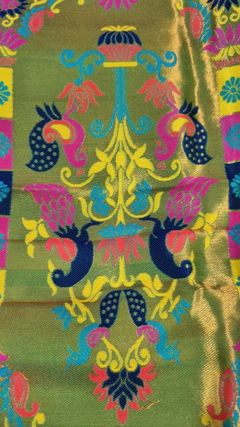
Zari adds another layer of visual richness to silk sarees. Traditionally metallic threadwork, it can show up as a border, buta, motif, pallu, or an all-over pattern.
How much zari there is, and where it's placed, can completely change the character of a soft silk saree.
A narrow zari border keeps the saree elegant and understated. A broader border with a detailed pallu pushes it toward weddings and grand festive occasions instead.
Types of Soft Silk Sarees
Soft silk spans a wide range of designs and fabric compositions. The right one depends on how you want the saree to look and where you're wearing it.
Pure Soft Silk Sarees
If you're specifically looking for a pure soft silk saree, fabric composition is the first thing to check. Pure silk gives you the natural characteristics of silk, while weave and finishing determine how soft, fluid or structured the finished saree actually feels.
These sarees work particularly well when you want silk's richness paired with an easy drape.
Soft Silk Blend Sarees
Silk blends with other fibres to create different textures, weights and price points. Soft silk blend sarees are a practical option when you want silk's visual appeal while exploring a wider range of fabric characteristics.
Always check the stated composition before buying.
Zari Soft Silk Sarees
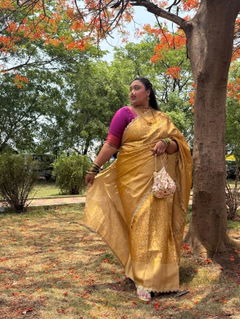
Zari and soft silk pair naturally for festive dressing. Depending on the border and motif, a zari soft silk saree can range from subtle and elegant to fully traditional.
Printed Soft Silk Sarees
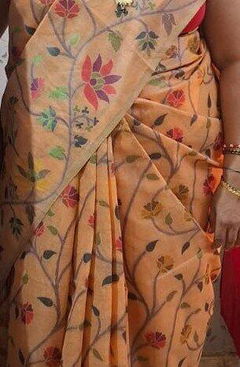
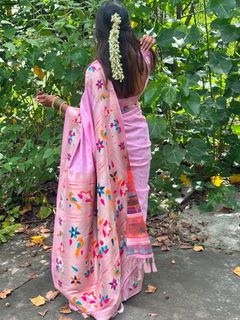
Printed designs bring a more contemporary edge to soft silk. Florals, geometric patterns, traditional motifs and modern prints, printed soft silk sarees suit daytime celebrations, festive lunches and occasions where you want less embellishment, not more.
Embellished Soft Silk Sarees
Embroidery, woven motifs and extra detailing can elevate a soft silk saree for special occasions. With embellished soft silk sarees, think about how the detailing works with the fabric's natural sheen and movement rather than picking based on quantity alone.
Occasions to Wear Soft Silk Sarees
Soft silk's biggest strength is versatility. The same fabric looks completely different depending on colour, border, zari, blouse and accessories.
Soft Silk Sarees for Weddings
For a soft silk saree for weddings, richer colours, traditional motifs, zari borders and detailed pallus build a more ceremonial look. Deep red, maroon, green, purple and jewel tones work particularly well for traditional wedding dressing.
If the wedding falls during the day, a softer palette or lighter detailing keeps things elegant without going too heavy.
Soft Silk Sarees for Festivals
Festivals are a natural home for silk. A soft silk saree for festivals works well in bright colours with traditional borders or moderate zari, paired with classic jewellery.
You get the festive richness of silk without carrying the weight of heavier sarees.
Soft Silk Sarees for Puja
For a soft silk saree for puja and other religious occasions, simpler styles work beautifully. Traditional colours, subtle zari and a classic blouse give you an elegant look without going overboard on ornamentation.
Soft Silk Sarees for Family Functions
For a soft silk saree for family functions, anniversaries and celebrations, match the saree to how formal the event actually is. Printed or lightly embellished soft silk suits smaller gatherings, while richer zari styles fit larger celebrations better.
Soft Silk Sarees for Parties
A soft silk saree for parties can work surprisingly well in a contemporary setting. Go for a modern blouse, a statement earring and a sleek hairstyle to balance the traditional fabric against a more current silhouette.
Soft Silk Sarees for Everyday Occasions
Not every soft silk saree needs to be event-only. A soft silk saree for everyday occasions works when it's simpler, lighter, with minimal zari, comfortable enough for a long day without feeling like you're dressed for a wedding.
How to Style a Soft Silk Saree
The easiest way to style soft silk is deciding what you want the saree to say before you start adding accessories. If it already has a rich border or elaborate pallu, let that stay the focus.
Traditional Styling
Pair a traditional soft silk saree with a classic blouse, jhumkas, bangles and a neat bun. A small bindi and traditional footwear finish the look.
Festive Styling
For festivals, contrast the saree with a blouse in a complementary shade instead of matching every element exactly. Add traditional jewellery and a structured hairstyle.
Wedding Styling
A richer soft silk saree pairs well with temple jewellery, a statement necklace or layered gold-toned pieces. If the saree already carries heavy zari, skip adding too many competing embellishments.
Minimal Styling
For something more understated, pick a soft silk saree with a simple border and pair it with delicate jewellery, a solid blouse and a clean hairstyle.
Contemporary Styling
A modern blouse can completely shift the character of a traditional silk saree. Try a high-neck blouse, statement sleeves, a structured blouse or a contrasting contemporary colour.
Soft Silk Saree Price
The soft silk saree price shifts considerably depending on fabric composition, silk quality, weaving technique, zari, design, craftsmanship and finishing.
A simple soft silk saree with minimal detailing sits at a different price point than one with intricate zari, specialised weaving or heavy craftsmanship.
When comparing prices, look past how the saree appears in photos. Two sarees can look nearly identical on screen while differing considerably in fibre composition, weave and finishing.
At Moolchand Mill, you can browse soft silk sarees across different price points, based on fabric, design, zari work and craftsmanship, so choosing by both occasion and budget gets easier.
How to Buy Soft Silk Sarees Online
When you buy soft silk saree online, the biggest challenge is that you can't touch the fabric before buying. A detailed product description becomes especially important here.
Check the Fabric Composition
Don't rely on the product title alone. Read the detailed product information to confirm whether the saree is pure silk or a blend.
Look at Close-Up Images
Close-up shots reveal the weave, texture, zari and finishing far better than a single full-length photo ever will.
Check the Saree Measurements
Look for length, width and blouse-piece details. A well-documented product page should spell these out clearly.
Understand the Border and Pallu
The border and pallu usually decide how formal a saree reads. If you're buying for a wedding or festival, check these details carefully.
Consider the Colour
Screen settings and lighting shift how colours appear online. Go through multiple product images where they're available.
Read the Care Instructions
Silk needs the right care. Knowing whether a saree needs dry cleaning or has specific washing instructions helps you buy with fewer surprises later.
Check the Return or Exchange Policy
This matters even more when you're buying a higher-value saree online.
When shopping soft silk sarees online from Moolchand Mill, running through these details first leads to a much more informed order.
Care Tips for Soft Silk Sarees
Silk rewards careful handling. The goal isn't keeping the saree untouched forever, it's protecting the fibres, colour, drape and zari over time.
Washing and Dry Cleaning
Follow the care instructions that come with the saree. For valuable or heavily embellished silk sarees, professional dry cleaning is usually the safer route.
Skip aggressive washing, soaking or wringing unless the product specifically says it's fine.
Drying
Keep silk away from harsh, prolonged direct sunlight, which affects colour over time. Let the saree dry completely before folding and storing it.
Ironing
If ironing is needed, use a low-temperature setting and place a thin cloth between the iron and the saree where recommended.
Folding and Storage
Avoid keeping silk in tightly compressed folds for long stretches. Refold the saree now and then so permanent crease lines don't set into the same spots.
A clean, dry, breathable storage space works best.
Caring for Zari
Zari needs particular attention. Keep zari sarees away from excess moisture, perfumes and chemicals. Avoid rubbing the zari heavily, since friction wears down the surface over time.
For sarees bought from Moolchand Mill, following the care instructions on the individual product page is the best way to preserve fabric and detailing long-term.
Why Choose Moolchand Mill for Soft Silk Sarees?
Choosing a soft silk saree ultimately comes down to getting the balance right between fabric, design, occasion and personal style.
Moolchand Mill's soft silk saree collection brings together different colours, patterns, borders and finishes, giving you options across weddings, festivals, family celebrations and quieter, more understated occasions.
Looking for a traditional saree with zari, a softer everyday silk style, or a contemporary design you can style with a modern blouse? The collection covers different ways to interpret the classic silk saree.
More importantly, look past how a saree appears in a single photo. Think about fabric composition, weave, weight, drape and detailing. The right saree shouldn't just look beautiful the first time you see it, it should feel like something you'll actually want to wear again.