Kanjeevaram Sarees by Moolchand Mill
A Kanjeevaram saree is a traditional South Indian silk saree known for its thick silk base, bold contrast borders, and woven zari work. Originating from Kanchipuram in Tamil Nadu, it's one of the most preferred choices for weddings and traditional occasions.
What sets it apart is the weaving technique. The body, border, and pallu are woven separately and then interlocked, creating a durable structure with clearly defined contrasts. Made from pure mulberry silk with gold or silver zari threads, these sarees have natural weight, structured drape, and rich texture.
At Moolchand Mill, the collection focuses on traditional craftsmanship with consistent quality. Whether you're looking for Kanjeevaram wedding sarees or browsing silk sarees online, this range offers clarity in design, fabric, and finish.
What Makes Kanjeevaram Sarees Unique
The uniqueness of a Kanjeevaram saree comes from its construction, silk quality, and durability. Unlike lighter silk sarees, these sarees are known for their thicker weave and ability to hold structure over time.
Key characteristics include:
- Pure silk fabric with a structured texture
- Contrast borders and pallus that are clearly defined
- Zari woven into the fabric, not applied on top
- Strong construction that supports long-term use
The technique of weaving the body and border separately and then interlocking them enhances both visual contrast and durability.
Types of Kanjeevaram Sarees
Kanjeevaram sarees are available in multiple variations based on weaving style, design structure, and zari detailing. Each type offers a different look depending on how patterns, colours, and motifs are integrated into the silk.
Kanjeevaram Brocade Sarees
Kanjeevaram brocade sarees are defined by dense zari work woven across the body of the saree. Gold and silver zari threads create detailed patterns that enhance the richness of the silk. These sarees are heavier and are typically chosen for weddings and formal occasions.
Kanjeevaram Jacquard Sarees
Kanjeevaram jacquard sarees use jacquard weaving techniques to create intricate and repetitive patterns across the fabric. They offer a more structured and slightly contemporary look while maintaining the traditional silk base.
Kanjeevaram Multicolour Checks Sarees
Multicolour checks Kanjeevaram sarees feature classic checked patterns woven using multiple silk threads. They're commonly chosen for festive occasions as they provide a balanced and versatile design.
Kanjeevaram Partly Pallu Sarees
In partly pallu Kanjeevaram sarees, the pallu and pleat section are woven in a similar colour tone, while the saree body contrasts with it. This creates a subtle yet distinct design variation.
Kanjeevaram Half and Half Sarees
Half and half Kanjeevaram sarees are designed with two contrasting sections within the saree body. This style offers a more statement look while still retaining traditional weaving elements.
Colours and Motifs in Kanjeevaram Sarees
Colour combinations in a Kanjeevaram silk saree are typically bold and contrast-driven.
Common colour choices include:
- Red, maroon, and gold for weddings
- Green, yellow, and orange for traditional occasions
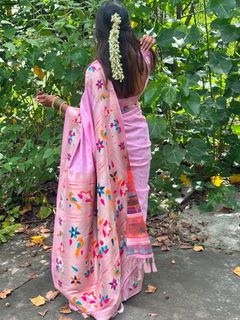
- Blue, pink, and pastel tones for festive wear
Motifs are inspired by South Indian culture and temple architecture. These include:
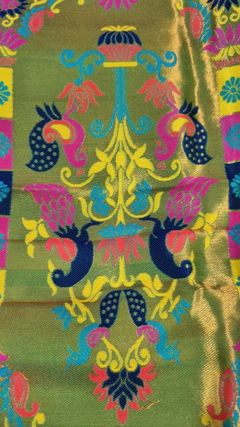
- Peacock and paisley designs
- Temple borders
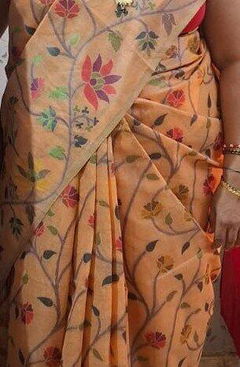
- Floral and vine patterns
- Geometric and traditional motifs
All motifs are woven into the fabric, giving the saree a defined and structured appearance.
Styling Kanchipuram Silk Sarees
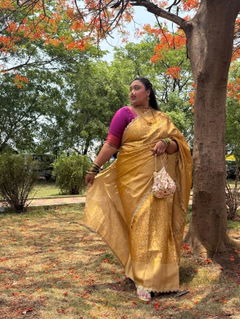
A Kanjeevaram saree is typically styled in a way that highlights its structure and richness.
- Paired with silk or contrast blouses
- Styled with traditional jewellery for weddings
- Draped in classic styles to showcase border and pallu
The fabric holds pleats well, making it suitable for formal and structured draping.
When Are Kanjeevaram Sarees Worn
A Kanjeevaram saree is worn for occasions that require traditional and formal dressing.
Weddings
A preferred choice for brides and family members. Kanjeevaram wedding sarees are known for their richness and visual presence.
Festivals
Suitable for Diwali, Pongal, and other celebrations.
Religious Occasions
Worn for poojas, temple visits, and rituals.
Family Functions
Ideal for engagements, receptions, and formal gatherings.
Kanjeevaram Saree Price and Value Understanding
The Kanjeevaram saree price depends on silk quality, zari work, and design complexity.
Key factors include:
- Purity and thickness of silk
- Quantity and quality of zari
- Complexity of motifs and weaving
- Time taken for production
Entry-level sarees start from around ₹3,000 to ₹5,000 for simpler designs. Premium Kanjeevaram wedding sarees with heavy zari and intricate work can go up to ₹50,000 and beyond.
At Moolchand Mill, the collection is structured to offer options across different price points while maintaining consistency in quality.
Caring for Your Kanjeevaram Heritage
To maintain your Kanjeevaram silk saree:
- Dry clean after use
- Store in a muslin or cotton cloth
- Avoid direct sunlight and moisture
- Refold occasionally
Proper care helps retain the saree's structure and finish over time.
Buy Kanjeevaram Sarees Online in India
If you're looking to buy Kanjeevaram saree online, Moolchand Mill offers a curated collection with clear product details and multiple design options. You can explore different styles, colours, and patterns to find a saree suited to your occasion.